
Are Used Commercial Pizza Ovens Worth It? Pros and Cons
2025.10.10
- Opening a Restaurant Business
For restaurants, choosing the right pizza oven is a significant investment that directly affects the quality of the food you serve.
Some operators aim to deliver an authentic Neapolitan experience with a traditional wood fired oven, while others prioritize ease of use and consider gas or electric models instead.
However, purchasing a new oven often requires a substantial upfront investment, which leads many owners to wonder whether a used option might be a viable alternative.
In this article, we outline the key characteristics of different oven types, compare the advantages and disadvantages of new and used equipment, and highlight the points you should carefully review before purchasing a used pizza oven.
If you are planning to install a pizza oven in your restaurant, this guide will help you make an informed decision.
Types of Commercial Pizza Ovens and Their Characteristics
Commercial pizza ovens generally fall into four categories: wood fired, gas, electric, and pellet fueled. Each type differs in terms of flavor profile, ease of operation, and initial investment.
Below, we take a closer look at the key features of each option.
Wood Fired Ovens
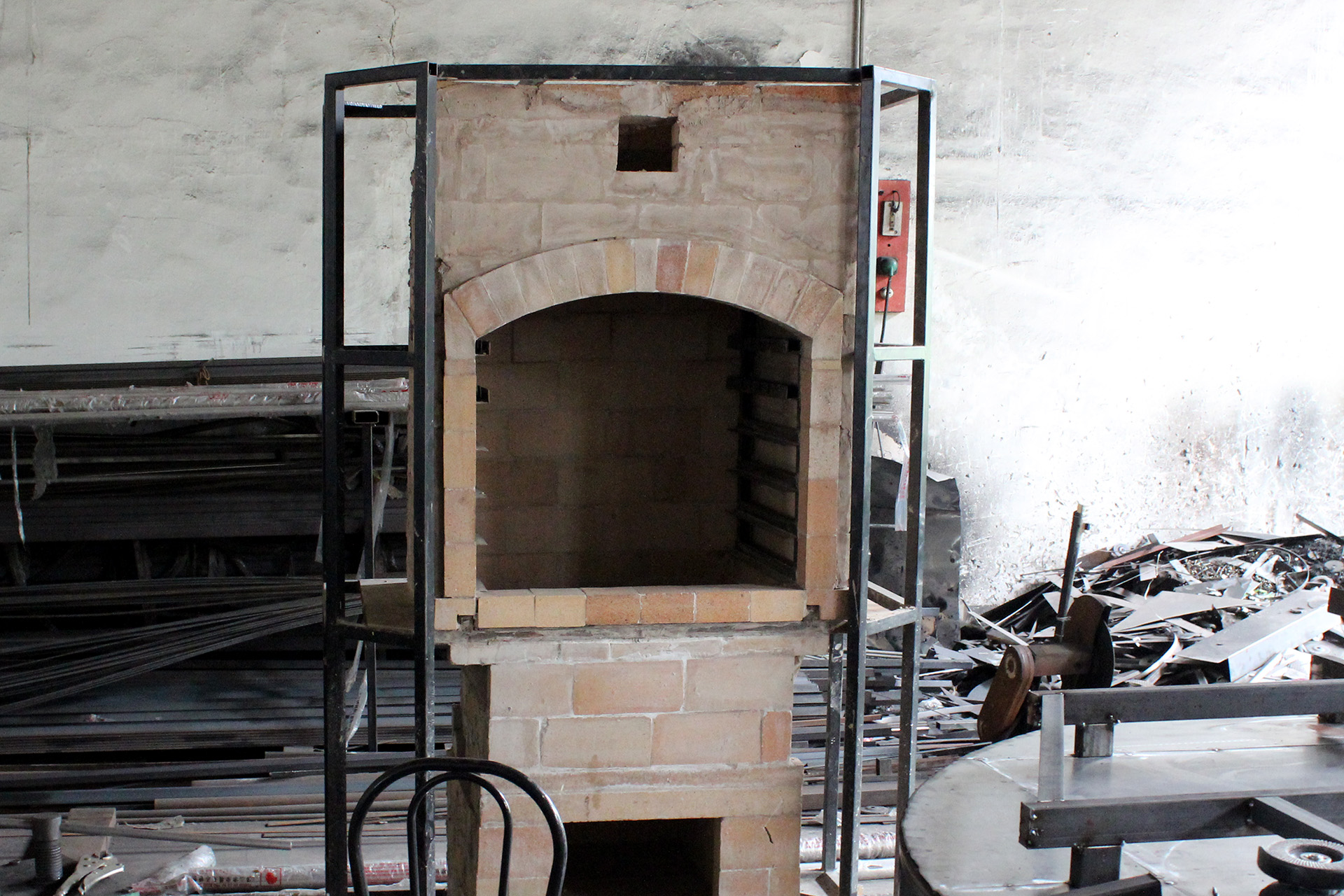
Wood fired ovens are known for delivering the most authentic results, but they also come with higher installation and operational demands.
By reaching temperatures above 400 degrees Celsius, they bake pizzas rapidly, creating a crisp exterior and a soft, chewy interior. The natural aroma of burning wood adds depth and character that other heat sources cannot easily replicate.
Their visual presence also enhances the dining atmosphere and can serve as a strong branding element for the restaurant.
However, wood fired ovens typically carry a higher upfront cost than other options. Effective temperature control requires experience and skill, and sourcing as well as storing firewood adds ongoing time and expense. Careful consideration is essential before making this investment.

Gas Ovens
Gas ovens are valued for their balance of ease of use and cost efficiency.
With digital temperature controls, they maintain steady heat and allow operators to produce consistent results with minimal variation. Fuel costs are often lower than wood fired options, making them well suited for restaurants that want to keep operating expenses under control.
However, gas ovens generally do not reach the same extreme temperatures as wood fired models, and they may lack some of the depth of flavor and smoky character associated with traditional wood ovens.
Depending on the location, gas line installation may be required. It is important to confirm the associated costs and construction conditions before moving forward.

Electric Ovens
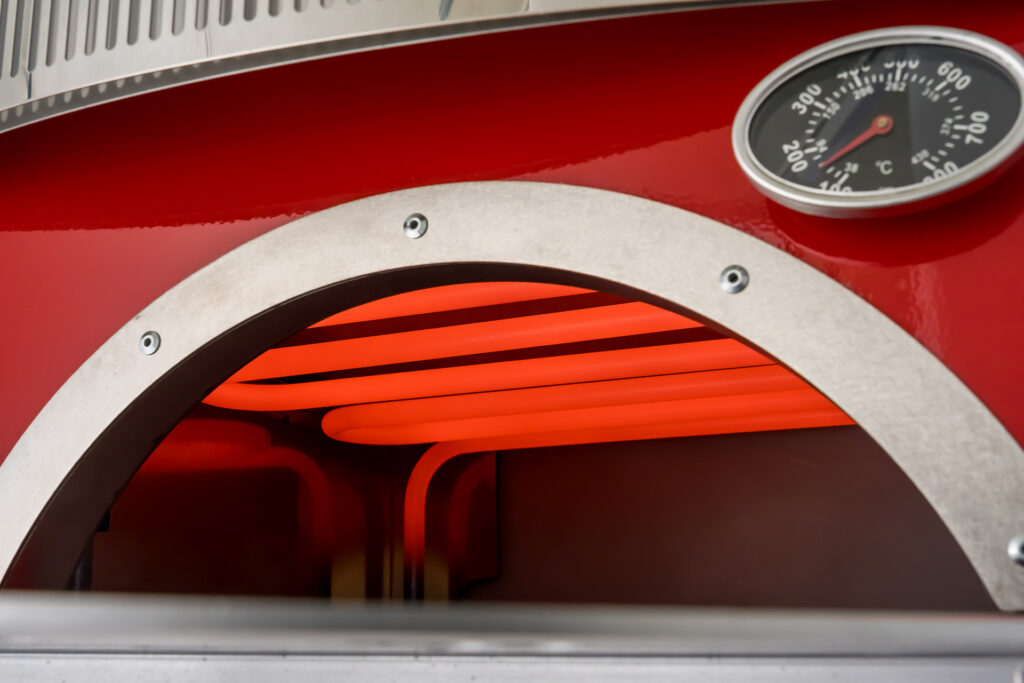
Electric ovens are often chosen for their ease of installation and enhanced safety.
Since they require only a power supply, there is no need for gas line work or firewood sourcing. This makes them a practical option for smaller restaurants or properties in urban areas with strict installation requirements.
Digital temperature controls help maintain consistent heat, and because there is no open flame, the risk of smoke and fire related incidents is reduced. As a result, electric ovens can be smoothly integrated into daily operations with greater peace of mind.
On the downside, they typically do not reach the ultra high temperatures achieved by wood fired ovens, and they may lack some of the distinctive aroma and flavor that characterize traditional methods.
In addition, prolonged operation can lead to higher electricity costs, making ongoing utility expenses an important factor in overall profitability.
Pellet Fueled Ovens
Pellet fueled ovens can be seen as a middle ground between traditional wood fired models and gas or electric options, offering wood like flavor with greater convenience.
Because they use compressed wood pellets as fuel, storage and handling are generally easier than with firewood, and heat levels can be maintained more consistently. The finished pizza often develops a smoky aroma similar to that of a wood fired oven, making pellet ovens attractive for restaurants that want authenticity without the full operational demands of wood.
However, pellet combustion produces ash, which means cleaning and maintenance require more effort than with gas or electric ovens.
Pellets also burn relatively quickly, requiring more frequent refueling compared to traditional logs. For restaurants operating over long service hours, this added workload should be taken into account.
Pros and Cons of Buying a New Commercial Pizza Oven
A new commercial pizza oven is often the best choice for those who prioritize reliability and peak performance. However, the higher upfront cost is an important consideration.
While a new oven offers long term operational stability and manufacturer support, the initial investment can range from tens of thousands to hundreds of thousands of dollars, depending on the model and specifications. This level of expenditure can significantly impact your capital planning.
Below, we outline the key advantages of purchasing new equipment as well as the financial considerations that should not be overlooked.

Advantages
The greatest advantage of purchasing a new pizza oven is the combination of reliability and performance.
New models often incorporate the latest technology, including advanced temperature control systems and energy efficient features that help streamline daily operations.
Manufacturer warranties also provide important peace of mind. In the event of a malfunction, service and replacement support are typically available quickly, reducing the risk of prolonged downtime during business hours.
From a hygiene standpoint, new equipment meets current sanitation standards and offers a full service life ahead, making it a strong long term investment. Many manufacturers also allow for customization and optional upgrades, enabling you to tailor the oven to your restaurant concept and menu.
In addition, installation and initial setup are often supported by the manufacturer, and new models are designed to comply with the latest safety and regulatory standards, which is a significant advantage for business owners.
Disadvantages
While new pizza ovens offer strong performance and reliability, their higher upfront cost can place significant pressure on your capital planning.
For popular models, delivery times may extend several months, which can delay your ability to put the equipment into operation.
Larger units may also require additional installation work or layout adjustments, potentially extending the preparation period beyond initial expectations.
In addition, models equipped with the latest advanced features often come at a premium price. Without careful evaluation, the return on investment may not justify the added expense.
Pros and Cons of Buying a Used Commercial Pizza Oven
A used pizza oven can be an attractive option for reducing upfront costs, but it requires careful risk management.
While the purchase price is typically lower than that of a new model, the condition of the equipment, maintenance history, and previous usage can significantly affect performance. Unexpected repair expenses or operational issues may arise if these factors are not thoroughly evaluated.
Below, we summarize the key advantages of choosing a used oven, as well as the potential drawbacks that should be carefully considered.
Advantages
The primary appeal of purchasing a used pizza oven is the significantly lower upfront cost.
The savings can be allocated to other kitchen equipment or working capital, helping reduce financial risk, particularly during a new restaurant launch.
Another advantage is availability. Many used units are in stock and ready for immediate delivery, allowing you to put them into operation quickly. The secondary market also includes well established models with a proven track record, meaning their performance and usability have already been tested in real world settings.
In some cases, purchasing used equipment may even provide access to discontinued models that remain popular among operators.
Because the initial asset value is lower than that of new equipment, the financial burden on the business can be reduced. For owners who prefer a cautious approach to capital allocation, this can be a meaningful benefit.
Disadvantages
While used pizza ovens can reduce upfront costs, they also come with significant risks that should not be overlooked.
Older equipment generally carries a higher likelihood of mechanical failure, which can lead to unexpected repair expenses. Warranties may be limited or nonexistent, and if replacement parts are difficult to source, operational downtime could disrupt your business.
In many cases, the previous owner’s usage patterns and maintenance history are unclear, making it difficult to accurately assess durability and remaining service life.
Used models may also lack the latest energy efficient features or advanced controls, potentially increasing long term operating costs. Over time, these additional expenses can offset the initial savings.
Older units may not meet current safety or energy efficiency standards, which could create regulatory or operational constraints after installation.
Additional costs may arise from delivery, installation adjustments, or unforeseen construction requirements. There may also be concerns related to hygiene, such as residual buildup or odors from prior use.
For these reasons, selecting used equipment based solely on price can expose your business to unnecessary financial and operational risk.
What to Check Before Buying a Used Commercial Pizza Oven
While purchasing a used pizza oven can help reduce upfront costs, it may also involve significant risks depending on its condition and background.
Below, we outline the key points you should review carefully to avoid common pitfalls when buying used equipment.
Inspect the Condition and Operation
When evaluating a used pizza oven, it is important to look beyond appearance and confirm that the unit functions properly.
In addition to checking for visible damage such as scratches, rust, or internal buildup, make sure that components like temperature gauges and timers operate accurately.
Test whether the door opens and closes smoothly, and if possible, run the oven to assess preheating time, temperature consistency, and ventilation performance.
Before finalizing the purchase, it is advisable to power up the unit and observe it in operation. Listen for unusual noises, check for excessive vibration, and inspect for any irregularities. A thorough inspection can significantly reduce the risk of problems after installation.

Confirm Installation Requirements
Support from the seller may be limited when purchasing a used pizza oven, so it is essential to verify installation requirements on your own.
In addition to confirming compatibility with electrical, gas, and ventilation systems, check whether the floor can support the unit’s weight and whether the available space and delivery path are sufficient.
Unlike new equipment, used units may come with incomplete documentation or limited guidance from the seller. Overlooking key requirements can easily lead to installation problems.
To avoid operational disruptions after installation, always confirm that the oven is fully compatible with your existing environment before finalizing the purchase.
Plan Your Maintenance Strategy in Advance
Unlike new equipment, used pizza ovens often come without manufacturer warranties. For this reason, it is important to establish a maintenance plan before completing the purchase.
Determine in advance who you will contact in the event of a breakdown, whether replacement parts are still available, and which service provider will handle routine cleaning and inspections.
It is also advisable to assess the remaining service life of the oven. This will help you decide whether future repairs are worth the investment or if replacement would be the more practical option.
By preparing in advance, you can significantly reduce the risk of unexpected issues that could interrupt your business operations.
For Commercial Pizza Ovens, Consult Food Total Design
Commercial pizza ovens vary widely in type, features, and installation requirements. The advantages and trade offs can differ significantly depending on how you plan to implement them.
While used equipment can reduce upfront costs, concerns about performance and durability should not be overlooked. Choosing solely based on price can expose your business to unnecessary risk.
To ensure long term reliability and peace of mind, we recommend consulting an experienced specialist who can help you select the right oven for your restaurant’s specific conditions.
Through Food Total Design, operated by Smart Innovations, we offer a range of solutions, including the highly insulated “Eleganza” model, along with tailored proposals that align with your budget and kitchen environment. Whether you are comparing new and used options or planning a full installation, we invite you to contact us for personalized guidance.
Explore the full lineup of Food Total Design pizza ovens here.
- Phone Inquiries
+81-45-577-0244 Weekdays 9:00 AM – 5:00 PM GMT+9
- Consult with us on LINE
- Chat with us on LINE
- Contact by Email
- Contact Form
この記事を書いた人

Director of Sales Management Department
After gaining experience in customer consulting, zoning planning, and CAD based proposals at a residential housing manufacturer, he transitioned into the commercial kitchen industry. Over the past decade, he has led major chain restaurant projects end to end, managing everything from site surveys and planning to cost estimation and construction.
With a comprehensive understanding of design, installation, and day to day operations, he focuses on aligning implementation plans with real world operational needs. He currently oversees sales of the company’s proprietary products.
His strength lies in uncovering clients’ unspoken priorities and constraints, then translating them into practical solutions. His proposals go beyond layout optimization to address implementation costs, project timelines, operational workload, and key contractual and risk considerations.
Drawing on a background in law, he brings a strong perspective on consensus building and contractual clarity. In his columns, he shares practical insights on equipment selection, installation, operational planning, and cost estimation, offering decision making frameworks that are immediately useful in the field.
この記事の監修をした人

After graduating from university, he joined the launch of a food and beverage division within an IT company, where he gained experience developing a wide range of restaurant concepts. After founding his own business, he established a local subsidiary in Hong Kong and expanded support services for Japanese restaurants entering Asian markets.
Upon returning to Japan, he worked as a food producer and developed several hit products, including “Gyoza for Rice,” which has sold more than two million units to date. Known in the industry as a creator of successful food products, he has been featured in numerous media outlets and invited to speak at industry events.
Today, he serves as an advisor and consultant to restaurants and food companies across Japan, helping cultivate many popular and successful establishments while working to energize and strengthen the Japanese food industry.