
How to Choose a Commercial Pizza Oven: Types and Key Selection Tips
2025.10.06
- Opening a Restaurant Business
When running a restaurant, great food is essential. At the same time, the equipment and visual elements that define your space can play a major role in attracting customers and driving revenue.
Among these elements, the pizza oven holds particular importance. It not only draws guests’ attention, but also directly affects the quality of the finished pizza and the speed of service.
However, choosing a commercial pizza oven is not always straightforward. Fuel type, size, performance, and design vary widely, which leaves many operators wondering which oven best suits their concept and what kind of results they can expect after installation.
In this article, we will explain the benefits of installing a commercial pizza oven, introduce the different types available, and outline the key factors to consider when making your decision.
We hope this guide supports you in selecting the ideal oven for your business.
Three Key Benefits of Installing a Commercial Pizza Oven
While pizza can be baked in a standard oven, installing a commercial pizza oven can significantly elevate both the quality of your food and the overall appeal of your restaurant.
Below, we introduce three specific advantages that can make a meaningful difference in restaurant operations and business performance.
Serve Truly Authentic Pizza
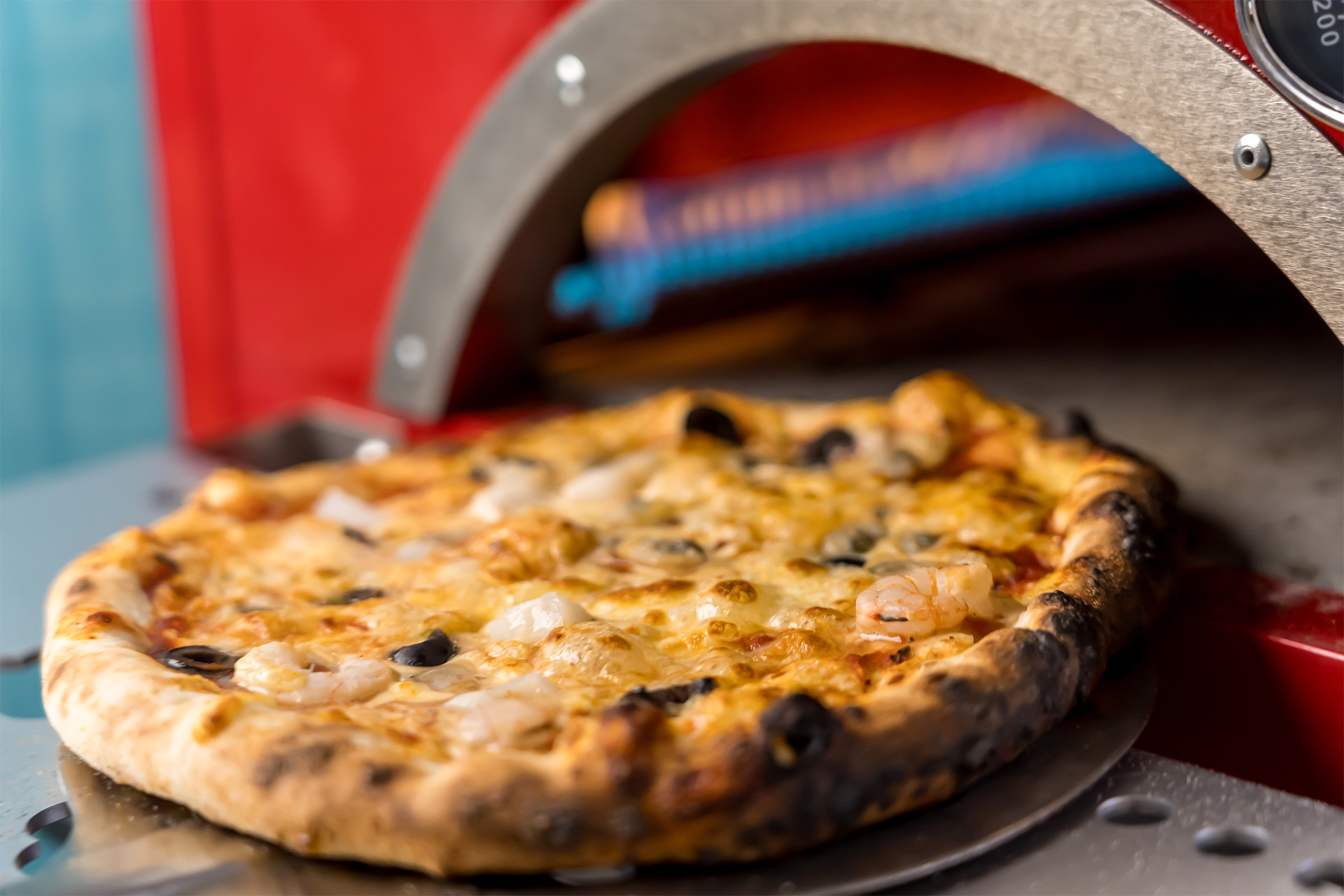
Installing a commercial pizza oven allows you to serve pizza with an authenticity that is difficult to achieve using standard ovens. Its greatest advantage lies in the intense heat, which cooks the pizza quickly and creates a distinctive texture.
The crust develops a thin, crisp exterior while retaining moisture inside, resulting in a soft and airy interior. This balance of texture is difficult to replicate with conventional or residential ovens.
If you choose a wood fired model, the natural aroma of burning wood adds depth and character, enhancing the overall flavor profile.
Commercial ovens also offer excellent heat retention. Even when baking multiple pizzas in succession, the temperature remains stable, allowing you to maintain consistent quality throughout service.
Enhance Your Restaurant’s Appeal
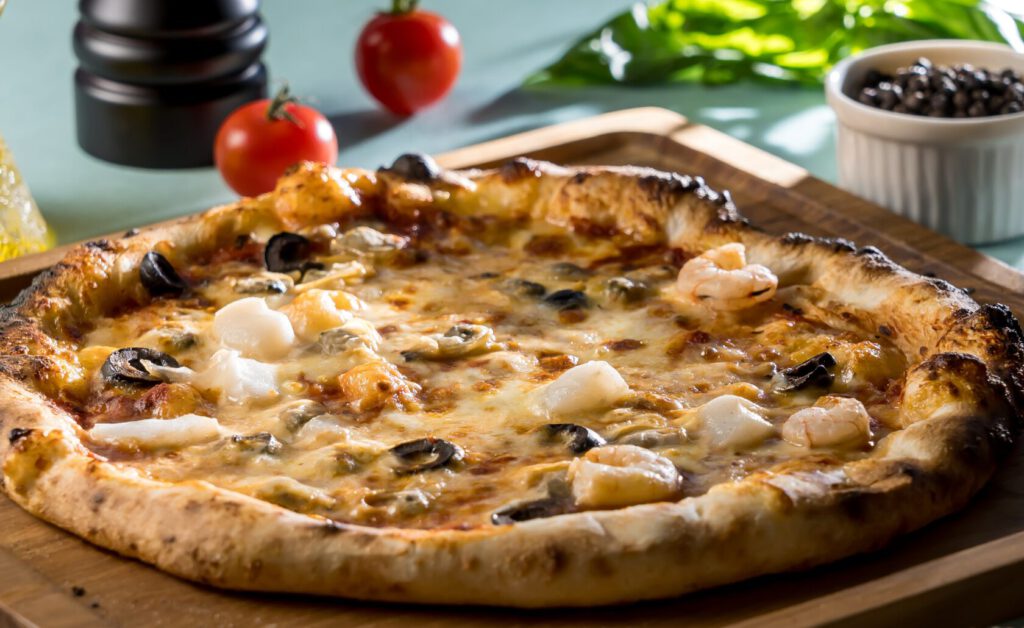
Simply installing a commercial pizza oven can help attract more customers. Beyond its functional role as cooking equipment, it serves as a striking focal point within the restaurant.
A well designed oven can elevate the interior atmosphere and reinforce the sense of authenticity. Its presence alone signals quality and craftsmanship, helping your business stand out from competitors.
In addition, the sight of pizzas being baked in a traditional oven is visually compelling. These moments are highly shareable on social media and can generate organic exposure through photos, videos, and customer reviews. This kind of visibility not only draws new guests but also contributes to stronger, long term brand recognition.
Drive Higher Revenue
Installing a commercial pizza oven can have a direct impact on your revenue.
Pizza baked in a dedicated oven conveys a level of authenticity that standard ovens cannot easily replicate, making it easier to command higher menu prices. At the same time, the ability to cook at high temperatures in a short amount of time improves service speed and can increase table turnover.
In addition, the presence of a pizza oven creates a sense of exclusivity and craftsmanship within the space, helping differentiate your restaurant from competitors. When quality, efficiency, and atmosphere come together, the result is a positive effect on overall business performance.
Types of Commercial Pizza Ovens and Their Features
Commercial pizza ovens generally fall into three main categories: wood fired, gas, and electric.
Each type differs in fuel source and structure, which affects flavor, installation requirements, and ongoing operating costs. Below, we outline the key characteristics of these three common options to help guide your decision.
Wood Fired Ovens
Wood fired pizza ovens are often considered the most authentic option.
Their ability to reach extremely high temperatures allows pizzas to cook quickly, creating a crisp, flavorful crust while preserving a soft and chewy interior. The subtle aroma of burning wood adds another layer of depth, delivering a distinctive experience that cannot easily be replicated by other oven types.
This authenticity becomes a powerful selling point. “Wood fired pizza” carries strong market appeal and can justify premium pricing. Even when ingredient costs remain similar, the perceived value can improve margins and strengthen your restaurant’s brand positioning.
However, wood fired ovens typically come with the highest upfront investment among the three types. They also require skill and experience to manage temperature effectively. In addition, sourcing and storing firewood must be factored into daily operations. Careful planning is essential when evaluating both installation costs and long term operational considerations.
Gas Ovens
Gas pizza ovens offer a well balanced combination of ease of use and performance stability.
With digital temperature controls, they make it easier to maintain consistent heat and achieve reliable baking results. Even without highly specialized skills, operators can reproduce the desired finish with minimal variation. This reduces dependence on individual craftsmanship and can help streamline staffing, simplify training, and support more efficient operations.
In many cases, gas fuel costs are lower than wood, making gas ovens advantageous from an ongoing cost perspective.
However, they cannot fully replicate the extremely high heat levels or the distinctive smoky aroma associated with wood fired ovens.
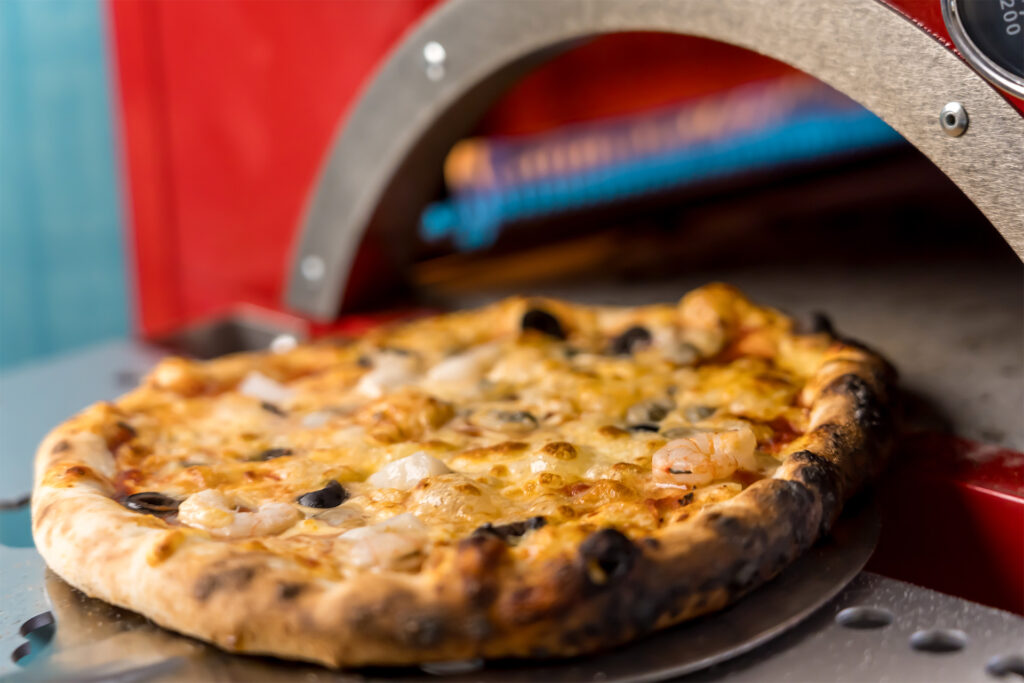
Electric Ovens
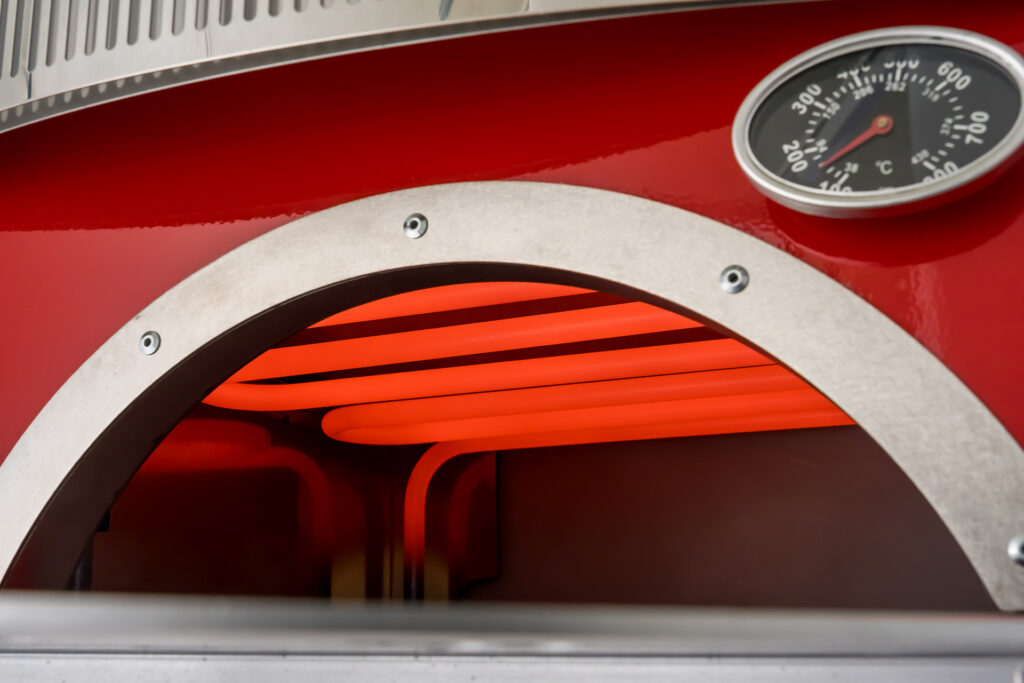
Electric pizza ovens are valued for their ease of installation and day to day operation.
Because they require only a power supply, there is no need to source fuel. This makes them particularly suitable for commercial complexes, tenant buildings, and other locations with strict installation requirements. Digital temperature controls also allow for consistent results, regardless of staff experience.
Since they do not rely on open flames, electric ovens produce less smoke and reduce fire related risks. This can offer greater peace of mind in terms of safety and hygiene management.
On the other hand, they cannot reach the same extreme temperatures as wood fired ovens, and it is difficult to replicate the distinctive aroma and flavor associated with wood.
Electric ovens can also consume a significant amount of power, which may lead to higher utility costs. Understanding the long term operating expenses is therefore essential.
Overall, electric ovens are well suited for restaurants that prioritize safety and convenience, particularly those located in urban tenant spaces.
Choosing the Right Commercial Pizza Oven
There are four main factors to consider when selecting a commercial pizza oven: fuel type, installation space and size, performance, and overall cost.
Overlooking any of these elements can lead to challenges after installation, such as limited usability or operating expenses that do not align with your business model.
Below, we take a closer look at each of these factors to help you make an informed decision before purchasing.
Fuel Type
When selecting a commercial pizza oven, one of the first decisions to make is the type of fuel. Whether you choose wood, gas, or electric will significantly affect installation requirements, operating costs, and the level of staff training required.
If your restaurant is located in a residential area or within a commercial facility, it is essential to review local regulations related to smoke and open flames. Be sure to confirm compliance with fire codes and building regulations before moving forward.
The ideal fuel choice also depends on your team’s skill level. Wood fired ovens allow for craftsmanship and expressive baking techniques, but they can be more challenging to manage and require experience to maintain consistent results. In addition, sourcing and storing firewood must be considered as part of day to day operations.
From a management perspective, selecting the right fuel based on your location and staffing structure is key to achieving long term operational stability.
Installation Space and Size
When selecting a commercial pizza oven, careful consideration of installation space and size is essential. Even the highest performing oven cannot be installed if it does not fit the physical constraints of your restaurant or meet delivery requirements.
Start by evaluating the kitchen layout and the distance between the oven and both the prep area and dining space. The placement should support smooth workflow without disrupting daily operations. At the same time, a pizza oven has a strong visual presence, and its position within the dining area can influence the overall atmosphere and customer experience.
Logistics must also be taken into account. Be sure to confirm that the oven can be transported through entrances, stairways, or elevators. In addition, verify whether necessary utilities such as electricity, gas, and water can be properly connected at the intended installation site.
Failing to plan for size and placement can result in unexpected construction work and additional costs. Careful upfront evaluation helps prevent complications later in the process.
Performance
Performance is a critical factor when selecting a commercial pizza oven, as it directly impacts both revenue potential and daily operations.
One of the first considerations is whether the oven can reach the temperatures required for your menu. For example, Neapolitan style pizza demands extremely high heat, while American style pizza can be prepared at more moderate temperatures. You should also evaluate preheating time and the number of pizzas that can be baked simultaneously.
To improve service speed and table turnover, consistent baking performance is essential. From an operational standpoint, ease of use, cleaning, and maintenance should also be carefully considered.
Performance is not simply a matter of comparing specifications. It is a strategic decision that must align with your menu concept and the desired pace of service within your restaurant.
Cost
Accurately estimating total costs is essential when investing in a commercial pizza oven.
In addition to the purchase price, installation expenses must be considered. These may include ventilation ductwork, electrical or gas line construction, and in some cases floor reinforcement to support the equipment.
Ongoing operating costs are another key factor. Fuel expenses continue after installation, and costs vary significantly depending on whether you use wood, gas, or electricity. Over the long term, maintenance expenses such as cleaning, replacement parts, and servicing should also be factored into your calculations.
To properly evaluate the return on investment, it is important to understand the full cost picture, including purchase, installation, fuel, and maintenance.
Reference: Bizcan, a comparison platform specializing in retail and restaurant businesses
Major Manufacturers of Commercial Pizza Ovens
Leading commercial pizza oven manufacturers can generally be grouped into two categories: Italian brands and Japanese brands.
Italian manufacturers are known for carrying on the tradition of wood fired oven craftsmanship, with many brands specializing in authentic, high performance baking. Their ovens are often associated with classic Neapolitan style pizza and artisanal techniques.
Japanese manufacturers, on the other hand, tend to focus on designs suited to domestic restaurant environments. They are often recognized for practical engineering, efficient installation, and strong after sales support within Japan.
Each category includes well established brands, and the right choice ultimately depends on your operational goals and the type of dining experience you aim to deliver.
| Category | Major Manufacturers |
| Italian Brands | ・Stefano Ferrara, Gianni Acunto / Mario Acunto, Ernesto Ambrogi |
| Japanese Brands | ・Fujimura Seisakusho, Tsujikikai, Masuda Renga, Food Total Design |
For Commercial Pizza Ovens, Consider Food Total Design
If you want to serve authentic stone oven pizza but are concerned about relying too heavily on specialized craftsmanship, or if you worry about excessive heat affecting your kitchen during the summer months, Food Total Design offers a compelling solution.
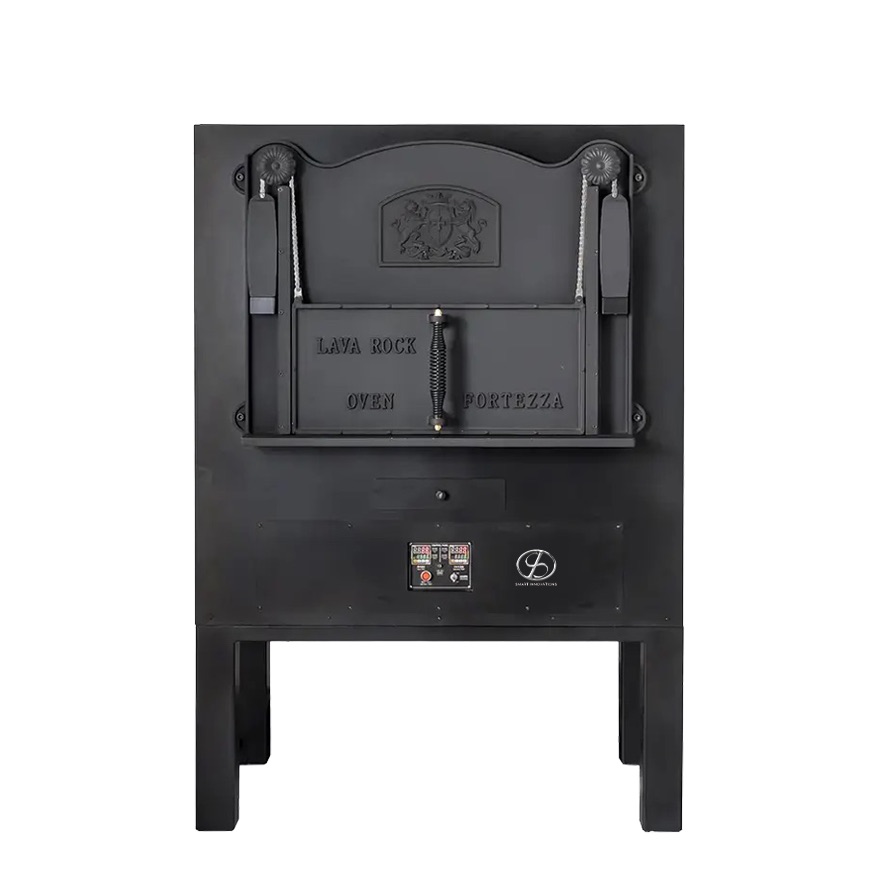
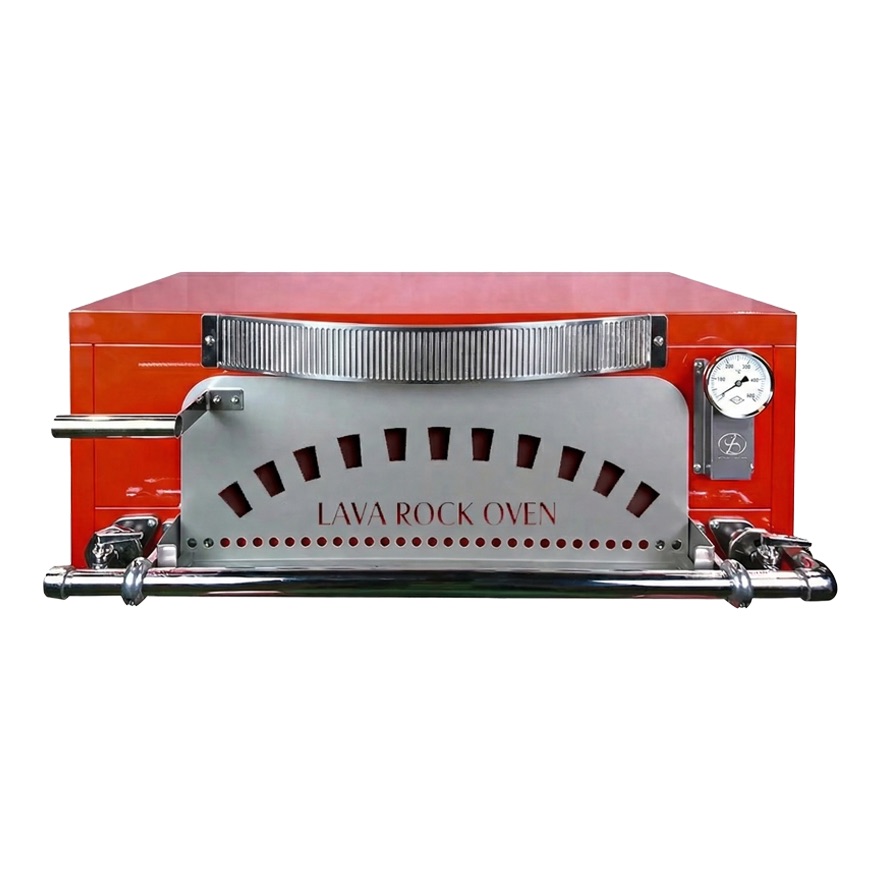
All of our pizza ovens are built using natural lava stone, generating powerful far infrared heat comparable to charcoal. This allows anyone to achieve a crisp, flavorful exterior and a moist interior with consistent results. In addition, our ovens are engineered with world class insulation performance, keeping the exterior surface cool and maintaining a comfortable environment for both staff and guests.
Our gas and electric models come equipped with automatic temperature control as a standard feature. By minimizing variations in baking, they help maintain uniform quality and can be operated confidently even by less experienced staff.
The lineup includes “Eleganza” for large scale restaurants, “Presenza” with flexible design and size options, and “Chiaro,” ideal for events or smaller establishments. Each model is designed to meet a wide range of operational needs.

Find the Right Commercial Pizza Oven for Your Restaurant
A commercial pizza oven is a strategic investment that influences flavor, presentation, and operational efficiency.
From delivering authentic taste to enhancing customer appeal and driving revenue, the benefits are wide ranging. Each type, whether wood fired, gas, or electric, offers distinct advantages suited to different restaurant concepts and operating environments.
If you are wondering which oven best fits your business or would like guidance on installation costs and operational planning, Smart Innovations and Food Total Design are here to help. We provide tailored proposals based on your concept, location, and management goals.
Please feel free to contact us to discuss your plans and take the next step toward creating your ideal restaurant.
Explore the full lineup of Food Total Design pizza ovens here.
- Phone Inquiries
+81-45-577-0244 Weekdays 9:00 AM – 5:00 PM GMT+9
- Consult with us on LINE
- Chat with us on LINE
- Contact by Email
- Contact Form
この記事を書いた人

Director of Sales Management Department
After gaining experience in customer consulting, zoning planning, and CAD based proposals at a residential housing manufacturer, he transitioned into the commercial kitchen industry. Over the past decade, he has led major chain restaurant projects end to end, managing everything from site surveys and planning to cost estimation and construction.
With a comprehensive understanding of design, installation, and day to day operations, he focuses on aligning implementation plans with real world operational needs. He currently oversees sales of the company’s proprietary products.
His strength lies in uncovering clients’ unspoken priorities and constraints, then translating them into practical solutions. His proposals go beyond layout optimization to address implementation costs, project timelines, operational workload, and key contractual and risk considerations.
Drawing on a background in law, he brings a strong perspective on consensus building and contractual clarity. In his columns, he shares practical insights on equipment selection, installation, operational planning, and cost estimation, offering decision making frameworks that are immediately useful in the field.
この記事の監修をした人

After graduating from university, he joined the launch of a food and beverage division within an IT company, where he gained experience developing a wide range of restaurant concepts. After founding his own business, he established a local subsidiary in Hong Kong and expanded support services for Japanese restaurants entering Asian markets.
Upon returning to Japan, he worked as a food producer and developed several hit products, including “Gyoza for Rice,” which has sold more than two million units to date. Known in the industry as a creator of successful food products, he has been featured in numerous media outlets and invited to speak at industry events.
Today, he serves as an advisor and consultant to restaurants and food companies across Japan, helping cultivate many popular and successful establishments while working to energize and strengthen the Japanese food industry.